Virelloxar
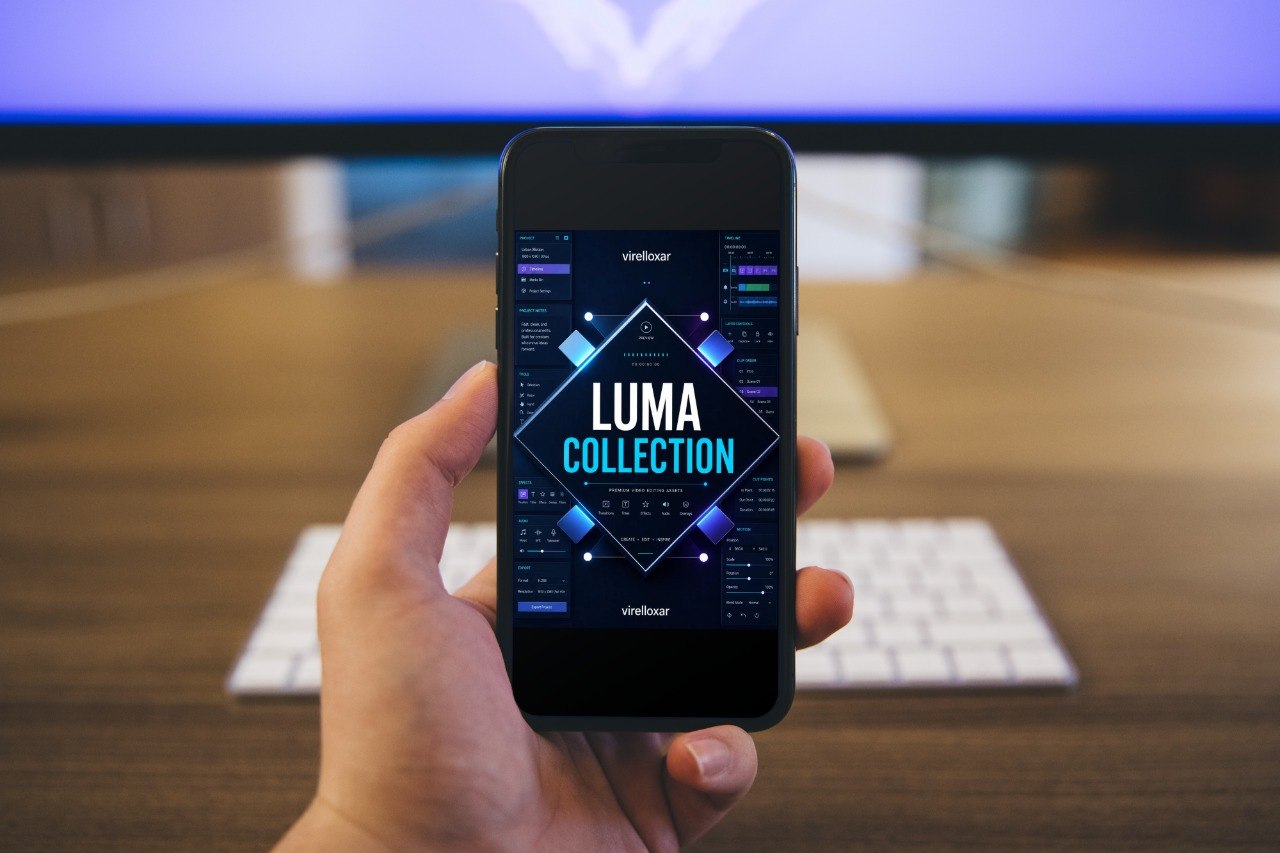
Luma Collection
Luma Collection
Couldn't load pickup availability
- 💾 Digital file available after purchase
- 🗂️ Long-term availability
- 🛡️ Secure checkout
- 🔄 Content updated in 2026
Self-paced learning overview
1. Problem Statement
Many learners can build a clear sequence but still feel that the finished edit lacks visual unity. Scenes may be arranged well, yet the look of the project can feel uneven when brightness, contrast, color mood, or visual tone changes too much from one section to another. Some learners focus only on timing and forget that the image itself also guides the viewer’s attention. Others may adjust visuals randomly without understanding how each choice affects the feeling of the edit. Luma Collection is designed for learners who want to study visual consistency in a more organized way.
2. Solution
Luma Collection introduces learners to visual review as an important part of the editing process. The course explains how light, color mood, contrast, and image balance can influence the way a sequence feels. Learners study how to compare scenes, notice uneven visual details, and make thoughtful adjustments that support the larger edit. The materials also show how visual style can work together with pacing, movement, and scene order. This tier helps learners develop a calmer method for reviewing the look of an edit without relying on random changes.
3. What’s Inside
Inside Luma Collection, learners begin with visual mood. The course explains how brightness, shadow, warmth, coolness, and contrast can change the feeling of a scene. Learners study how these elements affect the viewer’s attention and how they can support the purpose of a project.
The next section focuses on scene matching. Learners review how different clips can appear too bright, too dull, too warm, too cool, or too visually heavy when placed together. The materials explain how to compare scenes side by side and identify where visual changes may be needed.
Luma Collection also explores color direction. Learners study how a project can have a soft, clean, bold, calm, or dramatic feeling depending on visual choices. The course keeps the language clear and practical, focusing on observation and decision-making rather than complicated technical terms.
Another part of the tier focuses on visual balance inside the sequence. Learners explore how repeated tones, similar lighting, and controlled contrast can help a project feel more connected. They also study when contrast between scenes can be useful, especially when the edit needs a shift in mood or energy.
The tier includes review exercises for checking the visual side of an edit. Learners are guided to watch a project once for structure, once for pacing, and once only for visual consistency. This helps separate editing decisions and makes the review process more focused.
4. Who is this for?
Luma Collection is for learners who already understand structure, pacing, and scene movement, and now want to study the visual feel of an edit. It is suitable for creative learners, personal project makers, and anyone who wants their edited work to feel more visually connected. This tier is especially useful for learners who notice that their projects feel uneven in brightness, color mood, or overall image balance.
5. What You’ll Learn
- How light and contrast affect the mood of a scene
- How to compare clips for visual consistency
- How color mood can support the purpose of an edit
- How to notice uneven brightness or tone between scenes
- How visual balance works with pacing and scene order
- How to use contrast between scenes with clear intention
- How to review an edit by focusing only on image quality
- How to build a more organized visual review habit
6. Guarantee
- 30-day money back
- Risk-free
Share
Who are these courses made for?
Who are these courses made for?
The courses are made for beginners, hobby learners, creative students, and anyone who wants to study video editing in a more organized way. Some tiers start with simple ideas, while later tiers explore deeper structure, visual review, and project refinement.
What exactly is included?
What exactly is included?
Each course tier includes structured learning materials based on the topic of that tier. Depending on the course level, materials may include written lessons, modules, checklists, project planning notes, editing review prompts, workflow examples, and practical study resources.